
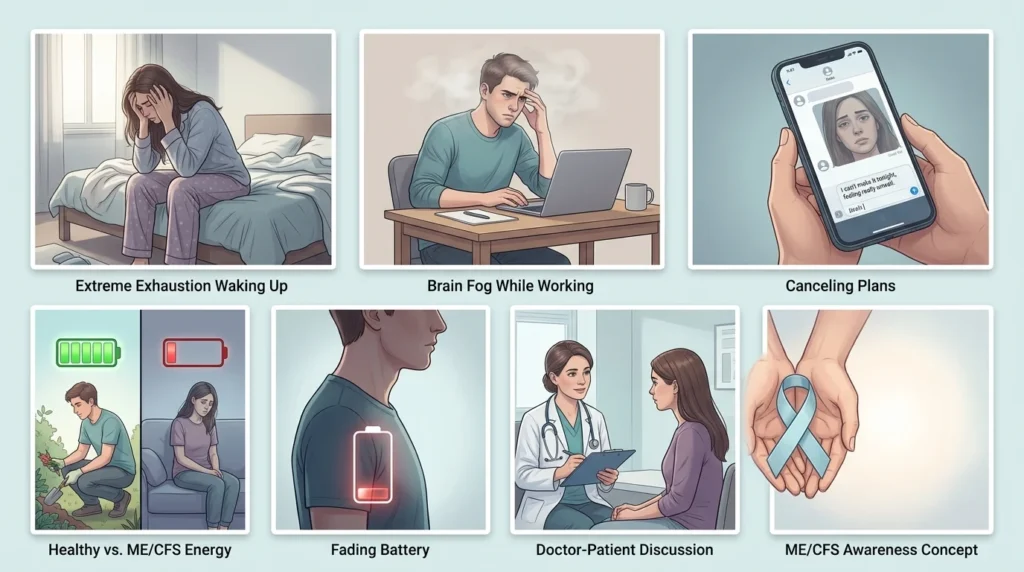
If you’ve searched for “What Does CFS Mean,” you’ve probably come across different explanations. In medical discussions, CFS most commonly stands for Chronic Fatigue Syndrome, a long-term health condition that affects energy levels, physical functioning, and daily life. It is also known as ME/CFS, which stands for Myalgic Encephalomyelitis/Chronic Fatigue Syndrome.
People often search for this term after seeing it in health articles, social media posts, support groups, or conversations about chronic illness. The confusion comes from the fact that CFS can occasionally represent other phrases in specific industries or online communities. However, in healthcare and public discussions, CFS almost always refers to the medical condition.
Understanding what CFS means is important because it affects millions of people worldwide and remains one of the most misunderstood chronic illnesses.
CFS – Quick Meaning
CFS (Chronic Fatigue Syndrome) is a complex chronic illness characterized by severe fatigue that does not improve with rest and can worsen after physical or mental activity.
Key facts:
- CFS stands for Chronic Fatigue Syndrome.
- It is often referred to as ME/CFS.
- The condition affects both physical and mental energy.
- Symptoms can last for months or years.
- It can significantly impact work, school, and relationships.
Examples:
“My doctor thinks my symptoms may be related to CFS.”
“She was diagnosed with ME/CFS after years of unexplained fatigue.”
“Living with CFS changed the way I manage my daily activities.”
Origin & Background
The term Chronic Fatigue Syndrome gained widespread recognition during the late twentieth century when researchers began documenting clusters of patients experiencing persistent exhaustion and related symptoms.
Over time, medical professionals realized that the condition involved much more than ordinary tiredness. Researchers observed problems involving energy production, immune function, sleep quality, and neurological processes.
The name Myalgic Encephalomyelitis (ME) was already being used in several countries before the term CFS became common. Today, many healthcare organizations use the combined term ME/CFS to acknowledge both historical and modern understandings of the illness.
Social media has played a major role in increasing awareness. Platforms like Instagram, TikTok, and online support communities have allowed people living with ME/CFS to share experiences, educate others, and reduce stigma surrounding invisible illnesses.
What Does CFS Mean on Instagram

On Instagram, CFS most often refers to Chronic Fatigue Syndrome when used in health-related posts, wellness discussions, or patient advocacy content.
You might see captions such as:
- “Living with CFS isn’t visible, but it’s real.”
- “My ME/CFS journey has taught me patience.”
- “Today is a low-energy day because of CFS symptoms.”
Some users share recovery stories, symptom management tips, or personal experiences. Others use the platform to spread awareness about challenges faced by people living with chronic illnesses.
As with many abbreviations online, context matters. However, in health-focused Instagram communities, CFS almost always refers to Chronic Fatigue Syndrome.
Real-Life Conversations
WhatsApp Chat
Person A: I’ve been exhausted for months, even after sleeping.
Person B: Have you spoken with a doctor?
Person A: Yes, they’re investigating whether it could be CFS.
Person B: I hope you get answers soon.
Instagram DM
Person A: I saw your post about ME/CFS.
Person B: Thanks for reading it.
Person A: My sister was recently diagnosed, and your story helped us understand it better.
TikTok Comments
Creator: A day in my life with CFS.
Commenter: I thought I was just lazy for years.
Creator: That’s common. Many people struggle before getting diagnosed.
Text Message
Person A: Want to meet up later?
Person B: I’d love to, but my CFS symptoms are pretty intense today.
Person A: No worries. Take care of yourself first.
Emotional & Psychological Meaning of Living With CFS
CFS is more than physical fatigue. Many people experience frustration, isolation, and misunderstanding from others who cannot see their symptoms.
Because the illness is largely invisible, individuals often feel pressure to explain why they cannot participate in activities they once enjoyed. Friends and family may struggle to understand why rest does not solve the problem.
Imagine someone who used to exercise regularly, work full-time, and maintain a busy social life. After developing ME/CFS, even simple tasks like grocery shopping may require significant recovery time. That adjustment can be emotionally challenging.
Many people living with CFS develop strong resilience, learning how to prioritize energy and focus on what truly matters.
What Causes ME/CFS
Researchers are still working to understand the exact cause of ME/CFS.
Several factors may contribute, including:
- Viral infections
- Immune system abnormalities
- Nervous system dysfunction
- Hormonal changes
- Genetic predisposition
- Physical or emotional stressors
Rather than a single cause, experts believe ME/CFS may result from multiple interacting factors that affect how the body produces and uses energy.
What Are the 7 Symptoms of Chronic Fatigue Syndrome
While symptoms vary from person to person, seven commonly recognized symptoms include:
- Persistent fatigue lasting six months or longer.
- Post-exertional malaise (symptoms worsening after activity).
- Unrefreshing sleep.
- Memory or concentration difficulties.
- Muscle pain.
- Joint pain without swelling.
- Dizziness or worsening symptoms while standing.
These symptoms can fluctuate in severity and often interfere with everyday life.
ME Symptoms Checklist
People experiencing ME/CFS may notice:
- Severe ongoing fatigue
- Brain fog
- Sleep disturbances
- Headaches
- Muscle aches
- Joint discomfort
- Sensitivity to light or noise
- Dizziness
- Post-exertional malaise
- Difficulty concentrating
- Memory issues
- Flu-like feelings
This checklist is not a diagnosis. Anyone experiencing persistent symptoms should seek professional medical evaluation.
Chronic Fatigue Syndrome Test
There is currently no single test that definitively diagnoses CFS.
Healthcare providers typically diagnose ME/CFS through:
- Medical history review
- Symptom assessment
- Physical examination
- Blood tests to rule out other conditions
- Evaluation of symptom duration and severity
Diagnosis often involves excluding other illnesses that may cause similar symptoms, such as thyroid disorders, anemia, or sleep-related conditions.
Chronic Fatigue Syndrome Treatment
There is no universal cure for ME/CFS, but many people benefit from symptom-focused treatment strategies.
Common approaches include:
- Energy management and pacing
- Improving sleep habits
- Pain management
- Nutritional support
- Stress reduction techniques
- Counseling or mental health support
- Treatment of related medical conditions
The most effective treatment plans are usually personalized because symptoms vary significantly among individuals.
How I Beat Chronic Fatigue Syndrome
Many people search for success stories using phrases like “How I beat Chronic Fatigue Syndrome.”
It’s important to understand that experiences vary widely. Some individuals report substantial improvement through lifestyle adjustments, medical support, pacing strategies, and addressing underlying health factors.
Others continue managing symptoms long-term while improving their quality of life.
The phrase “beat CFS” often reflects a personal recovery journey rather than a guaranteed outcome. What works for one person may not work for another.
Myalgic Meaning
The word myalgic comes from medical terminology related to muscle pain.
“Myo” refers to muscle, while “algia” refers to pain.
In the term Myalgic Encephalomyelitis, the word myalgic highlights the muscle discomfort and pain that many people experience as part of the condition.
Understanding this word helps explain why ME/CFS is considered more complex than simple tiredness.
Usage of the Term CFS in Different Contexts
Social Media
People use CFS when discussing symptoms, recovery stories, advocacy, and chronic illness awareness.
Friends and Relationships
The term may come up when explaining energy limitations or requesting understanding from loved ones.
Work and Professional Settings
Employees may mention CFS when discussing accommodations, health challenges, or workplace flexibility.
Casual vs Serious Tone
In most situations, CFS is discussed seriously because it refers to a medical condition rather than casual internet slang.
When Not to Use It
Avoid using CFS casually to describe ordinary tiredness.
For example:
- “I stayed up late, so I have CFS today.”
This can unintentionally minimize the experiences of people living with the condition.
It’s also important not to self-diagnose based solely on internet information. Professional medical evaluation is essential.
Common Misunderstandings About CFS
One common misconception is that CFS simply means being tired.
In reality, the condition involves a complex combination of symptoms that affect multiple body systems.
Another misunderstanding is that people with CFS can recover simply by sleeping more. While rest is important, symptoms often persist regardless of sleep duration.
Many people also assume that symptoms are purely psychological, which does not reflect current scientific understanding of the illness.
Comparison Table
| Topic | Purpose |
| What Does CFS Mean | Understand the definition of CFS |
| How to Use CFS | Learn when and where the term is appropriate |
| Examples of CFS | See the term used in real situations |
| CFS vs ME/CFS | Understand the relationship between the two terms |
| CFS vs Ordinary Fatigue | Learn the difference between a medical condition and normal tiredness |
Key Insight
The most important thing to remember is that CFS refers to a complex chronic illness, not simply feeling tired. Understanding that distinction helps create more informed and compassionate conversations.
Variations and Related Terms
CFS Meaning
The standard abbreviation for Chronic Fatigue Syndrome.
CFS in Text
Usually appears in health discussions, support groups, or medical conversations.
CFS Abbreviation
A shortened form of Chronic Fatigue Syndrome.
CFS Slang
Generally not considered slang because it represents a medical condition.
CFS in Chat
Often used in online support communities discussing symptoms and treatment.
ME Meaning
Short for Myalgic Encephalomyelitis.
ME/CFS Meaning
The combined modern term used by many healthcare organizations.
Chronic Fatigue Meaning
A symptom involving prolonged exhaustion that may occur with various conditions.
Post-Exertional Malaise Meaning
A worsening of symptoms after physical or mental activity.
Myalgic Meaning
Relating to muscle pain.
How to Respond When Someone Uses It
Casual Replies
- “I hope you’re doing okay.”
- “That sounds challenging.”
Funny Replies
Because CFS is a medical condition, humor should be used carefully and only when welcomed by the person involved.
Mature Replies
- “Thank you for sharing that with me.”
- “I appreciate you explaining your experience.”
Respectful Replies
- “Let me know how I can support you.”
- “I understand that must be difficult.”
Regional & Cultural Usage
Western Culture
Awareness of ME/CFS has increased significantly through healthcare advocacy and patient organizations.
Asian Culture
Recognition is growing, although understanding and diagnosis rates may vary between countries.
Middle Eastern Culture
Awareness continues to develop, with increasing discussion through online communities and healthcare education.
Global Internet Usage
Online support groups have connected people across borders, creating larger conversations around symptoms and recovery.
Gen Z vs Millennials
Gen Z often learns about CFS through TikTok and Instagram awareness content, while Millennials may encounter it through health websites, forums, and medical discussions.
Is It Safe for Kids?
Yes. Educational information about CFS is generally safe for children and teenagers when presented in an age-appropriate way.
Parents and educators can use accurate information to help young people understand chronic illness, empathy, and health awareness.
FAQs
What does CFS stand for?
CFS stands for Chronic Fatigue Syndrome, a long-term condition characterized by severe fatigue and related symptoms.
Is CFS the same as ME?
Many healthcare professionals use the combined term ME/CFS because the conditions refer to the same illness.
Can CFS be cured?
There is currently no universal cure, but many people find strategies that improve symptoms and quality of life.
Is CFS just being tired?
No. CFS involves a range of symptoms beyond ordinary fatigue.
What is post-exertional malaise?
It is the worsening of symptoms after physical or mental activity.
Who can develop CFS?
People of various ages and backgrounds can develop ME/CFS.
Why is CFS difficult to diagnose?
Symptoms overlap with other conditions, and there is no single diagnostic test.
What does CFS in slang mean?
In slang, CFS can stand for “Close Friends Story” on social media platforms. People use it when talking about content shared only with a selected group of followers.
What does CFS mean on Instagram notes?
On Instagram Notes, CFS usually refers to a Close Friends Story or the Close Friends feature. Users may mention it to indicate that something was shared with a private audience.
What does CFS mean in Gen Z?
Among Gen Z users, CFS most commonly means Close Friends Story, especially on Instagram and other social platforms. The meaning depends on context, but it is often related to private sharing.
What does CFS mean from a girl?
When a girl uses CFS, she is often referring to her Close Friends Story and may be talking about content shared with a trusted group. The exact meaning depends on the conversation and platform being used.
Conclusion
Understanding what CFS means goes far beyond learning an abbreviation. Chronic Fatigue Syndrome, also known as ME/CFS, is a complex condition that affects energy, physical functioning, and daily life in ways many people never see from the outside.
As awareness continues to grow, conversations about ME/CFS are becoming more informed and compassionate. Whether you encountered the term on Instagram, in a medical discussion, or through someone you care about, knowing its meaning helps reduce misunderstanding and support those living with the condition.
The more accurately we understand CFS, the easier it becomes to approach the topic with empathy, respect, and confidence.